Navigating OFAC-Related Issues: Essential Advice for Businesses
If you are operating a business that engages in international trade or financial transactions, understanding the Office of Foreign Assets Control (OFAC) regulations is crucial. OFAC is a financial intelligence and enforcement agency of the U.S. Treasury Department that administers and enforces economic and trade sanctions against targeted foreign countries and regimes, terrorists, international narcotics traffickers, and other threats to U.S. national security, foreign policy, or economy. Compliance with OFAC regulations is not only a legal requirement but also essential for maintaining your business’s reputation. Here, we offer advice on OFAC-related issues to help navigate these complex challenges effectively.
Understanding OFAC Regulations
OFAC regulations can be intricate, often influenced by geopolitical changes and the evolving landscape of international relations. Every business must understand which sanctions programs are applicable to their operations. It is essential to regularly review OFAC’s economic sanctions programs to stay updated about any changes. This includes identifying the countries and entities that are prohibited for transactions and understanding the nature of the restrictions imposed on them.
Maintaining a Compliance Program
A robust compliance program is critical in preventing OFAC violations. Companies should implement a comprehensive compliance framework that includes written policies and procedures, employee training, and regular audits. Consider the following components to establish a successful OFAC compliance program:
- Policy Development: Draft clear policies for compliance that specify the roles and responsibilities of employees concerning OFAC regulations.
- Training Programs: Regular training sessions are necessary to keep staff informed about OFAC regulations, including how to identify and report potential sanctions violations.
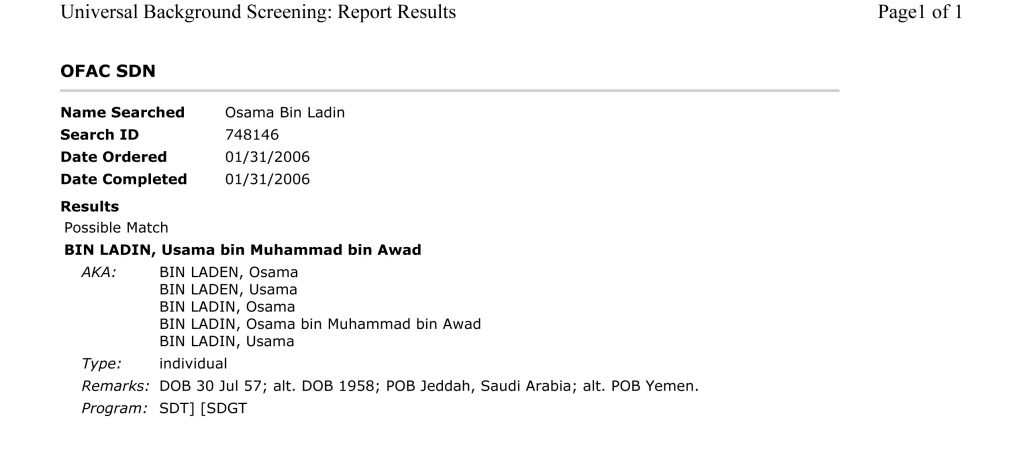
- Screening Procedures: Implement automated systems to screen clients and transactions against OFAC’s Specially Designated Nationals and Blocked Persons List (SDN List) and other relevant government lists.
- Record-Keeping: Maintain accurate records of transactions that are subject to OFAC regulations, including reports of any potential violations for further investigation.
Risk Assessment
Conducting a thorough risk assessment is vital for identifying areas where your business is vulnerable to OFAC violations. Evaluate factors such as:
- Geographical Risk: Analyze the geographic areas where you conduct business and whether any are subject to OFAC sanctions.
- Transactional Risk: Examine the nature of your transactions, including whether they involve sanctioned individuals or entities.
- Client Risk: Review the backgrounds of your clients or business partners to ensure they are not on OFAC’s SDN list or any other restricted lists.
Responding to Possible Violations
In the event of a potential violation, prompt and decisive action is crucial. Here are steps to take:
- Investigation: Conduct an internal investigation to ascertain the facts surrounding the potential violation.
- Reporting: If necessary, report the violation to OFAC. It is often better to self-disclose than to wait for the agency to find the breach.
- Remedial Action: Take corrective measures promptly to ensure compliance and refrain from similar incidents in the future.
Seeking Professional Guidance
Given the complexity of OFAC regulations, consulting with legal experts or compliance professionals can provide valuable insights for your business. These experts can help design effective compliance programs, conduct training sessions, and devise risk management strategies tailored to your specific industry and operational needs.

Staying Informed
As OFAC regulations can change frequently, staying informed is key to compliance. Subscribe to OFAC updates, engage with industry associations, and participate in relevant training or webinars. By continuously educating yourself and your staff, you can minimize risks and ensure that your business adheres to all applicable regulations.
Conclusion
Adhering to OFAC regulations is a critical responsibility for any business involved in international transactions. By following the advice and best practices outlined above, you can reduce the risk of violations and penalties while fostering a culture of compliance within your organization. Remember, the costs associated with non-compliance can be substantial—not only could you face monetary penalties, but the reputational damage can have far-reaching implications. Proactively managing OFAC-related issues is not just about compliance; it’s about safeguarding your business’s future.
