The intriguing journey of gambling tracing its historical evolution
Origins of Gambling in Ancient Civilizations
The history of gambling can be traced back thousands of years to ancient civilizations. Archaeological evidence suggests that games of chance were played in ancient China around 2300 BC. These early forms of gambling included rudimentary games using dice, which were made from materials such as bone and wood. Interestingly, many enthusiasts today enjoy games in modern settings, such as a bitcoin casino, where chance and luck continue to captivate players. This fascination laid the foundation for the gambling practices we see today.

In ancient Rome, gambling was widely accepted among both the elite and the general populace. Romans participated in betting on various activities, from gladiatorial contests to chariot races. The emergence of these social practices illustrated how gambling evolved into a cultural phenomenon, intertwining itself with entertainment and public life.
The Evolution of Gaming Mechanics
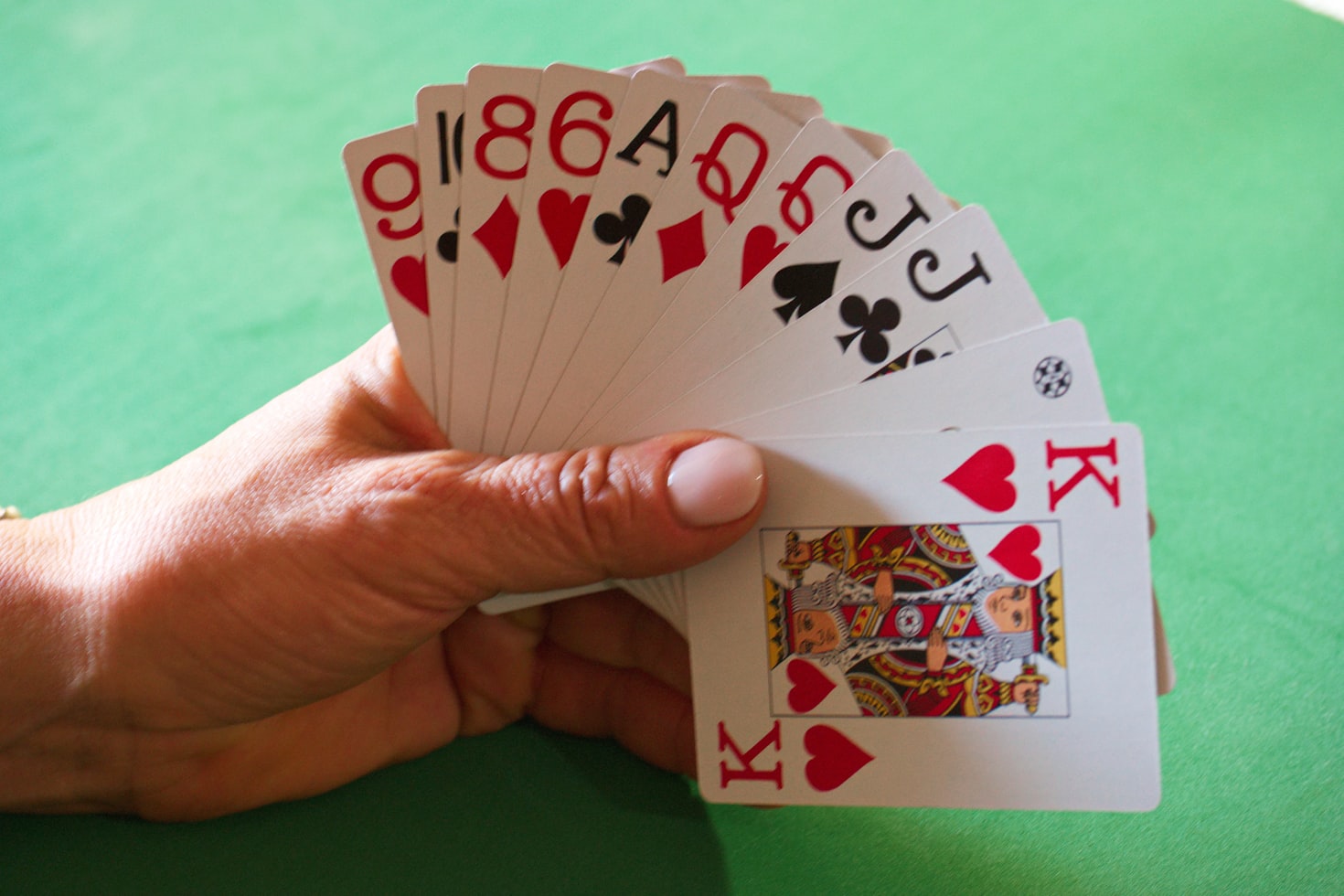
As societies advanced, so did the complexity of gambling. The Middle Ages saw the introduction of card games, believed to have originated from China and made their way to Europe through trade routes. These card games transformed gambling, adding layers of strategy and skill that appealed to various social classes, particularly in gambling houses and taverns.
The invention of printing in the 15th century further revolutionized gambling. This technology facilitated the mass production of playing cards, making them accessible to a wider audience. As card games gained popularity, new rules and variations emerged, setting the stage for modern gaming practices seen in casinos today.
The Rise of Casinos and Regulation
The 17th and 18th centuries marked the birth of the casino as we know it today. The first official casino opened its doors in Venice in 1638, establishing a formal setting for gambling activities. This era saw the establishment of regulations to ensure fair play, paving the way for structured gaming environments.
In response to the growing popularity of casinos, various governments began to recognize the potential for taxation and regulation. This shift enabled a more organized framework for gambling, leading to the development of legal gambling establishments that promoted responsible play while generating revenue for state coffers.
Modern Gambling in the Digital Age
The late 20th and early 21st centuries brought about a significant transformation in the gambling landscape due to advancements in technology. Online gambling emerged as a popular alternative to traditional casinos, allowing players to engage in gaming from the comfort of their homes. Websites offering a variety of games, from poker to slots, became increasingly accessible to a global audience.
The rise of mobile technology further propelled the gambling industry, as players could now place bets on their smartphones and tablets. This digital evolution has not only diversified the ways people gamble but also led to the development of innovative gaming experiences, enhancing user engagement and interaction in unprecedented ways.
Conclusion and Resources
The journey of gambling reflects a rich tapestry of human culture, shaped by social, technological, and economic factors throughout history. From its ancient origins to the modern digital platforms, gambling continues to evolve, adapting to the preferences and behaviors of players worldwide.
For those interested in exploring more about the gambling industry’s history and its future trajectory, a variety of resources are available. Engaging with these platforms provides insights into the trends and changes shaping the gambling experience today.
